
Building on a Flood Plain: Risks, Regulations, and Smart Planning
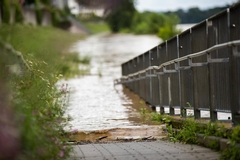
Every year, natural disasters remind us of the formidable power of water and its ability to alter landscapes and settlements. This brings us to a critical point of discussion - building on a flood plain. Such decisions have long-lasting implications, particularly in areas prone to flooding. If you’re contemplating constructing a property in a flood plain, whether for residential, commercial, or any other purpose, understanding the associated risks and regulations is essential. A reputable damage restoration company in Bozeman, MT can provide valuable insights and support during these endeavors.
Flood plains have historically been attractive for their fertile soils and aesthetic vistas, but they pose significant challenges for builders. This blog post aims to delve into the risks involved in building on a flood plain, the regulatory landscape governing such developments, and the smart planning required to mitigate potential challenges. By unpacking these topics, we hope to equip you with the necessary knowledge to navigate the complexities of such projects effectively.
Understanding the Risks of Building on a Flood Plain
Building on a flood plain is fraught with risks that can have severe economic, environmental, and social impacts. The most obvious threat is water inundation, which can damage structures and lead to significant financial loss. Flooding can disrupt communities, affecting transportation, communication, and essential services. In terms of environmental impact, alterations to a flood plain can disrupt local ecosystems and exacerbate natural flooding events.
In flood-prone areas such as those in Bozeman, MT, choosing the right building materials and elevation strategies can significantly affect a structure's resilience. It is not just about the immediate aftermath of a flood but also about long-term viability and the property’s resale value. Ignoring these risks can lead to costly repairs, with water damage restoration often becoming a recurrent requirement.
Navigating Regulatory Frameworks
Navigating regulations is a crucial part of the planning process for any construction project on a flood plain. Regulations vary widely depending on location, reflecting local flooding history and risk factors. In Bozeman, MT, for example, regulatory frameworks are in place to guide safe building practices in flood-prone areas, aiming to minimize risk exposure and enhance public safety.
Key regulatory considerations include requirements for flood-resistant construction techniques, adherence to minimum elevation standards, and potentially restrictive use of certain building materials. Compliance with these guidelines is non-negotiable, as failing to adhere can result in fines and increased insurance costs. Understanding local flood maps and working closely with state and municipal authorities can help identify potential hurdles and expedite the approval process.
Smart Planning Strategies
Smart planning is an invaluable approach to mitigating the risks associated with building on a flood plain. It involves integrating flood risk assessments into the early stages of design and employing innovative construction methods to reduce vulnerability.
One effective strategy is to elevate buildings above the anticipated highest flood levels. This is often achieved through the use of stilts or pilings, but may also involve creating elevated land parcels prior to construction. Using flood-resistant materials, such as reinforced concrete or specially treated wood, can also contribute to a building’s resilience.
To further enhance flood preparedness, integrating natural features into the design can be beneficial. Planting native vegetation can help stabilize soil and reduce erosion, while the creation of retention ponds can manage runoff and minimize the impact of heavy rains.
Community Considerations in Bozeman, MT
For communities like Bozeman, MT, where the charm of wide-open spaces and scenic views attracts many, building on a flood plain often presents unique challenges. As with many rural or semi-rural areas, infrastructure may not always be equipped to handle sudden surges in water flow, necessitating personal precautionary measures.
Community engagement is paramount. Developers and homeowners should actively participate in local planning sessions and stay informed about flood mitigation strategies. Building relationships with local experts, like those offering mold remediation in Bozeman, can provide an added layer of safety and preparation. Such collaborations not only ensure compliance with regulations but also offer peace of mind that protective measures are effectively in place.
Mitigating Long-Term Impact
Successfully building on a flood plain requires a long-term perspective, acknowledging that the climate will continue to change and that flood patterns may become more unpredictable. Developing emergency response plans is crucial, ensuring that all occupants know how to react in the event of a flood.
A list of key protective measures could include:
- Comprehensive insurance coverage specifically designed for flood-prone locations
- Implementation of sustainable drainage systems that efficiently channel rainwater away from buildings
- Regular maintenance checks to ensure the integrity of water-resistant construction components
Furthermore, ongoing collaboration with local services that specialize in restoration and mitigation, such as pest cleanup services in Wise River and beyond, can provide ongoing support and adaptation to changing conditions.
Planning for a Resilient Future
In light of the complexities and challenges involved in building on a flood plain, strategic planning and community involvement are crucial. Since the risks are intertwined with environmental unpredictability, informed decision-making becomes the cornerstone of resilient construction.
The importance of working closely with restoration experts cannot be understated. They can offer guidance on pressing concerns, like water damage restoration in Belgrade, ensuring that both structural integrity and regulatory compliance remain intact. Moreover, as regulations evolve to cope with increasing environmental stresses, staying abreast of changes is imperative for any construction project on floodplains.
Emphasizing Preparedness and Assurance
Building on floodplains in areas like Bozeman, MT, necessitates a careful balance of risk and reward. The promise of idyllic landscapes and fertile grounds can be sustained through meticulous planning and adherence to established guidelines. However, one must remain vigilant about evolving risks and update practices accordingly. With access to specialized services, you can create a more dependable foundation capable of withstanding nature's challenges.
When considering building on a flood plain, ensure every step is informed by consultation with experts and community engagement. Companies like Buffalo Restoration are at the forefront of delivering robust, comprehensive solutions. For those in need of restoration or construction planning support in the Bozeman, MT area, reaching out to experienced professionals can be the crucial difference in creating resilient, sustainable developments. Whether you require consultation or immediate restoration services, Buffalo Restoration is here to help secure your future. Connect with us today!
Recent Posts
-
Water-Damaged Wood Furniture: Can It Be Saved?
August 17, 2026
-
Basement Flood Prevention Tips for Heavy Rain and Storms
August 15, 2026
-
Open Houses in Bozeman: What Buyers and Sellers Should Know
August 9, 2026