
Tub Leaking Through Ceiling - Signs of Plumbing Failure
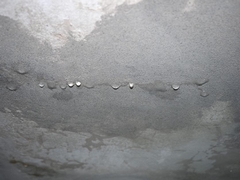
Few household problems are as immediately alarming as a tub leaking through the ceiling. It’s a dramatic situation, often accompanied by the sight of water stains, damp patches, and possibly even droplets of water making their way into living spaces. This plumbing failure is not merely an inconvenience; it poses significant risks to your home’s structural integrity and your health. Whether you live in a bustling urban area or a quiet community, the need for prompt attention and expert intervention is universal. Knowing when to call a damage restoration company in Bozeman and its nearby communities is vital to minimizing the potential damage and restoring your home efficiently.
Understanding the signs that lead to a tub leaking through the ceiling can save homeowners from costly repairs and further home deterioration. This blog post will guide you through identifying the indicators of plumbing failures, the potential causes behind them, and the necessary steps to prevent and address these issues. If you notice your ceiling sagging, discoloration, or a mysterious drip from above, it’s crucial to act swiftly. The following sections will provide you with the knowledge to discern when your plumbing system is compromised.
Key Indicators of Plumbing Failure
A tub leaking through the ceiling doesn’t happen overnight. It usually starts with subtle signs that homeowners may overlook until they become major issues. By recognizing these early warning signs, you can mitigate damages and save both time and money.
Water Stains and Discoloration
One of the earliest and most visible signs is water stains on your ceiling. These stains often appear as yellow or brown patches and are an early indicator that water from your tub might be seeping through. The discoloration typically signifies long-term leaks, which can lead to mold growth and compromise structural integrity, requiring professional intervention such as mold remediation services.
Bubbling or Peeling Paint
If the paint on your ceiling begins to bubble or peel, it's a red flag indicating moisture build-up. Bubbling occurs as water collects underneath the paint, creating bubbles, while peeling signifies prolonged exposure to dampness. These aesthetic changes precede more serious structural issues, making a timely response crucial.
Damp Odors and Mold Growth
A persistent damp smell in your bathroom or the affected room below could be more than just humidity. This odor often accompanies mold growth in places you can’t easily see, like the spaces between floors or within wall cavities. Active mold focuses on areas with constant moisture, pointing towards a continuous leak rather than an isolated incident.
Cracking and Sagging Ceilings
Ceilings that begin to crack or sag indicate advanced damage, suggesting that water has been steadily soaking through structural components. In such cases, the weight of the water weakens the ceiling material, posing a risk for a complete ceiling collapse if unaddressed.
Common Causes of Tub Leaks
Understanding what causes a tub to leak is essential for addressing the issue and preventing future occurrences. Several factors commonly contribute to this problem, each with its own set of solutions.
Faulty Plumbing Connections
Leaky connections or fittings in the plumbing system are a primary cause of water seepage. Over time, washers, seals, and other components can degrade or become loose, leading to leaks. Regular inspections and maintenance by a qualified plumber can help identify and rectify these issues before they escalate.
Damaged or Worn-Out Tub Seals
The seals around your tub are crucial in keeping water where it belongs. Over time, these seals can wear down due to constant exposure to water and varying temperatures. Damaged seals should be replaced promptly to prevent water from seeping through and causing further issues.
Clogged Drains
A clogged drain can indirectly lead to a tub leak through ceiling situations. Blockages cause water to back up, increasing pressure on seams and seals, eventually leading to leaks. Regular clearing of debris from drains can prevent blockages and maintain smooth water flow.
Structural Shifts
Natural settling or shifts in your home can affect plumbing integrity. Such movements might create gaps in connections or stress joints, leading to leakage. While such events are less common, they highlight the importance of regular structural assessments for older homes or those in shifting soil regions.
Preventive Measures to Avoid Ceiling Leaks
Taking proactive measures can greatly reduce the risk of encountering a tub leaking through ceiling scenario. Here are several strategies to maintain your home’s plumbing integrity:
- Routine Inspections: Regularly inspecting plumbing components, seals, and connections for signs of wear can prevent leaks before they start. Engage professional services to conduct these comprehensive inspections periodically.
- Timely Repairs: Address issues immediately. Postponing repairs can exacerbate the problem, leading to more severe damage and higher repair costs.
- Upgrade Plumbing Systems: Consider upgrading your plumbing systems if they are outdated. Modern materials and technologies can provide more efficient and longer-lasting solutions.
- Maintain a Clean Environment: Keep drains clear of hair and debris to avoid clogs that might cause undue pressure on your tub and related plumbing.
By adopting these measures, homeowners can reduce the likelihood of ceiling leaks stemming from tubs and ensure a longer lifespan for their plumbing systems.
Addressing a Tub Leak Through the Ceiling
Despite all preventive measures, plumbing systems can still fail unexpectedly. When you notice a tub leak through the ceiling, it's important to tackle it promptly and effectively. The following steps are recommended to mitigate damage:
- Identify the Source: Before taking any repair actions, determine where the leak originates. Dry visible water and trace the path to understand its source better.
- Limit Water Usage: Stop water flow to the affected area by using shut-off valves. This reduces further seepage and allows for more manageable repair conditions.
- Document the Damage: Take photographs of the affected areas for insurance purposes and professional assessments. Documentation helps track the deterioration and can facilitate smoother claims processes.
- Consult Professionals: Engage experts for efficient and comprehensive solutions. Professionals like Buffalo Restoration can provide services such as water damage restoration in Bozeman, ensuring your home is safe and habitable once more.
Implementing these immediate measures can prevent further damage and speed up the restoration process, allowing you to return to normalcy quickly.
The Path to a Dry and Safe Home
Experiencing a tub leaking through the ceiling is undoubtedly distressing. However, with preparedness and the right measures, homeowners can mitigate disruption and restore their living spaces efficiently. Whether it involves immediate interventions or preventive inspections, taking control of your home’s plumbing health is crucial.
Buffalo Restoration excels in providing robust solutions across a range of restoration needs, ensuring safety and comfort for residents in and around Bozeman, MT. For those located further afield but within reach, consider engaging services like forensic & biohazard restoration in Willowcreek to ensure your home is restored to its former glory. If you ever face issues like tub leaks or require other forms of property restoration, reach out to Buffalo Restoration, where experience meets trust. Your first step to a secure home starts with an expert consultation. Don’t wait until it’s too late; potential problems are best handled early by those who understand them best.
Recent Posts
-
Question: Can You Walk on Wet Carpet After Cleaning?
September 23, 2026
-
[Home Care] How Often Should Carpets Be Cleaned for a Healthier Home?
September 21, 2026
-
Heavy Rain Ahead? How to Keep Water Out of Basement Areas
September 17, 2026