
Understanding Air Quality Concerns in Bozeman
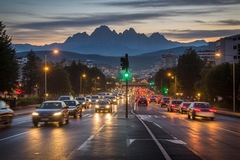
Our environment plays a crucial role in our day-to-day lives, shaping everything from our health to the comfort of our homes. One of the foremost concerns of our time is the state of air quality. With industrial activities, vehicular emissions, and even household operations affecting the air we breathe, understanding air quality in Bozeman is more important than ever. This topic not only impacts individuals but also the responsibilities of organizations such as a damage restoration company in Bozeman, MT, which ensures that the air quality remains within safe limits for residents.
In this blog post, we will dissect various facets that contribute to air quality issues, take a closer look at their ramifications, and explore solutions that can mitigate risks. Whether you’re a resident concerned about pollutants and allergens or a business owner seeking to maintain a safer environment, this guide offers insights and practical ways to tackle air quality challenges in your locality.
Factors Influencing Air Quality in Bozeman
The air quality in Bozeman is influenced by various interrelated factors. Chief among these is emissions from vehicles, particularly in densely populated areas. With the constant influx of tourists and residents, the number of cars on the road is ever-increasing, contributing significantly to air pollution. Another major factor is industrial activity. Although Bozeman is not heavily industrialized compared to larger cities, certain manufacturing and construction activities contribute to deteriorating air quality.
Beyond these man-made contributors, natural factors such as wind patterns and topography also play a role in Bozeman's air quality. The region's unique geographic positioning can sometimes lead to the trapping of pollutants, resulting in poor air quality days, especially during certain times of the year.
Impact on Health and Environment
Poor air quality directly affects human health. Exposure to high levels of pollutants can lead to respiratory issues, heart diseases, and aggravate conditions like asthma. Children and the elderly are particularly vulnerable, with studies showing a clear correlation between polluted environments and health problems in these groups. It's also important to consider the indirect impacts, such as the strain on healthcare systems and economic consequences from reduced productivity and higher medical expenses.
In addition to human health, the environment in Bozeman sustains damage from poor air quality. Pollutants can affect local wildlife and plant life, leading to biodiversity loss and changes in ecosystem dynamics. Acid rain and smog can deteriorate building materials and harm the scenic landscapes that Bozeman is known for.
Addressing Air Quality Concerns
Recognizing the challenges is only the first step. Addressing air quality requires coordinated efforts from individuals, businesses, and government entities alike. Here are some strategies that can contribute to improving the air quality in Bozeman:
- Promote Public Transportation: Encouraging the use of public transit, carpooling, and non-motorized transport can significantly reduce individual vehicular emissions.
- Support Green Infrastructure: The development of green belts and urban forestry can help absorb pollutants, thus improving air quality.
- Industrial Regulations: Implementing and enforcing strict emissions standards for industries ensures that pollutants released into the air are minimized.
- Community Awareness: Public education campaigns can increase awareness about the importance of air quality and encourage community participation in improving environmental practices.
By implementing these measures, Bozeman residents can work towards a cleaner and healthier future.
Tools and Technologies for Monitoring
To effectively mitigate air quality problems, it's essential to have precise data and monitoring tools. Advanced air quality monitoring systems are now available that offer real-time data. These devices can analyze specific pollutants in the atmosphere and provide actionable insights.
For instance, the use of smart air purifiers in homes and offices ensures cleaner indoor air by effectively filtering out particles such as dust, smoke, and allergens. HVAC systems, when regularly cleaned and maintained, also play a significant role by controlling indoor air pollution.
Organizations specializing in areas like air duct/HVAC system cleaning in Bozeman are crucial in maintaining system efficiency and ensuring a healthy indoor environment by minimizing the adverse effects of poor air quality.
Personalized Solutions for Residents
While Bozeman moves toward solutions at a community level, individual actions can significantly contribute to enhancing air quality. Homeowners can install higher efficiency particulate air (HEPA) filters, which capture fine particles more efficiently than standard filters. Another simple measure is to ensure regular servicing of home heating and cooling systems, optimizing them to minimize indoor pollution.
Residents can also contribute to greener lifestyles by reducing energy consumption. Simple changes, such as using energy-efficient appliances and lighting, contribute to a lower carbon footprint, indirectly supporting improved air quality.
On a personal hygiene level, switching to environmentally friendly household products and natural cleaners can reduce the release of volatile organic compounds (VOCs) into the home environment, further promoting a clean and healthy atmosphere.
The Role of Restoration Services in Air Quality
At times, air quality issues arise from events that require intervention, such as water intrusion or fire damage. In such scenarios, restoration services are vital. For example, during fire & smoke damage restoration in Bozeman, the removal of soot and smoke particles from the air is crucial to maintaining a safe and habitable environment.
Restoration companies are equipped to deal with bio-hazardous substances, mold, and debris that can compromise air quality. Whether it's through advanced air filtration techniques or specialized cleanup protocols, restoration professionals ensure that the air is cleared of harmful contaminants, thus safeguarding health and safety.
Partnering for a Cleaner Future
Air quality issues demand our attention and action. In Bozeman, locals and businesses can work together to create a cleaner, healthier place to live. Buffalo Restoration offers comprehensive services to tackle these varied challenges, ensuring that communities remain safe and environmentally sound.
Consider reaching out to Buffalo Restoration for expert support in improving air quality, dealing with damage from natural or man-made causes, and maintaining the overall health of your environment. Together, we can transform air quality challenges into opportunities for growth and resilience.
Recent Posts
-
[Home Care] How Often Should Carpets Be Cleaned for a Healthier Home?
September 21, 2026
-
Heavy Rain Ahead? How to Keep Water Out of Basement Areas
September 17, 2026
-
Kitchen Fire Damage? First Steps Before Cleanup Starts
September 15, 2026