
What is the Average Low Temperature in Bozeman, MT by Season?
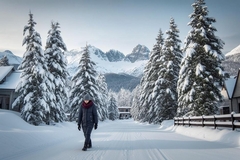
Bozeman, Montana, provides an intriguing climate that compels residents and visitors alike to become familiar with its distinct seasonal weather patterns. The Rocky Mountain city is known for its varied temperatures, with the average low temperature in Bozeman playing a crucial role in daily planning, particularly for businesses involved in emergency restoration services in Bozeman, like Buffalo Restoration. Understanding temperature fluctuations is not just about knowing how to dress for the day. It’s vital to prepare for potential property challenges related to freezing temperatures, such as burst pipes or roof damage from snow loads. This blog will explore the dynamics of Bozeman’s temperature variations and how they interact with the region's restoration needs.
To get the full picture of Bozeman’s climate, we’ll delve into the average low temperature in Bozeman, MT during each season: winter, spring, summer, and fall. This understanding will aid not only homeowners but also businesses in preparing for the challenges that come with these temperature shifts. Knowing the risks and how to mitigate them can prevent costly damages and ensure a more comfortable living environment year-round.
Winter: Bitter Colds and Snowy Challenges
Winter in Bozeman is characterized by cold, snowy conditions. As one can expect in a mountainous region, the average low temperature plummets significantly. From December to February, temperatures can drop to around 10°F. January tends to be the coldest month as temperatures frequently dip below zero. These extreme lows present challenges such as frozen pipes, increased energy consumption for heating, and the potential for structural issues due to ice accumulation.
In these conditions, emergency restoration services in Bozeman, MT become essential. Structures are prone to damage due to ice and snow, while heating systems face heavy use. Residents need effective solutions, such as additional insulation, to combat heat loss. Understanding the impact of these extreme temperatures is key to maintaining property integrity during Montana’s long winters.
Spring: The Thaw and its Implications
Spring in Bozeman is a transformative season. It's a time when the grip of winter slowly releases and the landscape begins to bloom anew. From March to May, the average low temperature in Bozeman hovers between 25°F and 35°F. While the blooming of flowers and the disappearance of frost is a welcome change, the fluctuating temperatures bring their own set of challenges.
The thawing and refreezing cycle of spring can lead to issues such as basement flooding and structural weakening due to the freeze-thaw pressure. As water from melting snow seeps into the ground, it can infiltrate foundations, necessitating the expertise of water damage restoration services in Bozeman, MT. Preparing for these cycles involves maintaining proper drainage around properties and ensuring gutters and downspouts are clear of debris, effectively channeling water away from structures.
Summer: Mild Nights and Warm Days
Bozeman's summer months are marked by a welcoming reprieve from colder times. From June through August, the average low temperature ranges from 45°F to 55°F, creating cool evenings perfect for outdoor activities. However, the warm yet comfortable summer peak can sometimes stretch into the high 80s during the day. These milder and more predictable low temperatures bring relief, although patterns of dry spells can impact landscaping and water usage strategies.
During summer, energy consumption shifts from heating to cooling, necessitating a review of air conditioning efficiency. Additionally, outdoor maintenance becomes a priority to prepare for the colder months ahead. That may mean refreshing exteriors, cleaning HVAC systems, and planning landscaping to optimize for heat conservation during winter.
Fall: Preparing for Winter's Return
Autumn ushers in cooler temperatures that slowly transition back to winter's chill. From September through November, Bozeman sees average lows dipping from 35°F to 25°F. This period is critical for property owners and restoration professionals alike. It's an ideal time to inspect and prepare properties for the coming winter's harsher conditions.
Preparing for the drop in temperature involves handling tasks that mitigate freezing risks, such as tree pruning to prevent winter storm damage, roof inspections to ensure integrity, and gutter cleanings. As fall sets in, it's also the perfect opportunity to consider weatherproofing measures, such as caulking, sealing, and adding insulation.
The Impact of Temperature Fluctuations on Properties
The average low temperature in Bozeman can lead to both predictable and sudden challenges for property owners. This understanding is essential for those involved in any aspects of property maintenance and solution delivery. Particularly, water damage restoration professionals in Bozeman need to be acutely aware of the risks various seasons pose to efficiently provide solutions.
Temperature changes result in expansion and contraction in building materials, which can lead to structural integrity issues over time. Even during seemingly benign seasons like summer, heat can lead to stress fractures in materials that later open up to significant permanent damage when water freezes in them during cold winters.
Seasonal Preparations and Maintenance
Given the significant variations in the average low temperature in Bozeman, MT, taking proactive steps becomes crucial for residents and business owners alike. As the seasons change, each poses unique challenges that require timely attention and specific preparation strategies. In the absence of roof repairs or pipe maintenance, severe cold can lead to emergencies that impact both conveniences and safety.
For those who might not be entirely sure where to start, here's a concise list of effective steps to prepare your home or business for the changing seasons:
- Perform routine inspections for pipelines and roofing.
- Clean and repair gutters to ensure proper water drainage.
- Install weather stripping as needed.
- Check and service your heating and cooling systems.
- Inventory and prepare emergency supplies for unexpected weather changes.
Awareness of Bozeman’s temperature patterns can significantly ease seasonal transitions. By taking early, preventive measures, property owners can ensure safety and minimize the need for extensive repairs.
Taking Action with Buffalo Restoration
The climate of Bozeman undoubtedly demands attention to detail, especially when addressing the effects of temperature extremes on properties. With the potential for significant temperature swings, it's wise to consider the services offered by experts in restoration. Whether it’s through air duct/HVAC system cleaning or another service in Bozeman, professional assistance can offer peace of mind and ensure that properties are optimally prepared.
Buffalo Restoration is a company dedicated to providing expert solutions, no matter the season. From harsher winter challenges that require immediate solutions to preventative measures needed during autumn, their comprehensive range of services can aid homeowners and businesses in navigating the complex climate of Montana. Whether you require consultation or direct intervention, Buffalo Restoration is poised to assist the Bozeman area with the expertise needed to keep properties safe and sound despite Mother Nature's unpredictability. Their availability extends beyond Bozeman to many neighboring cities, making them an ideal partner for all restoration needs across the region.
Staying aware and informed about Bozeman’s climate and its effects leads to better preparedness and protection for your home or commercial property. With knowledge comes power, and with Buffalo Restoration's expert guidance and services, you're armed to face Montana's weather head-on. Reach out to us today!
Recent Posts
-
[Home Care] How Often Should Carpets Be Cleaned for a Healthier Home?
September 21, 2026
-
Heavy Rain Ahead? How to Keep Water Out of Basement Areas
September 17, 2026
-
Kitchen Fire Damage? First Steps Before Cleanup Starts
September 15, 2026