
How to Survive a Tornado Without Basement Access
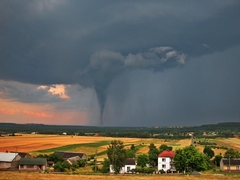
Tornadoes are among nature's most unpredictable and fierce phenomena. They can strike with little warning, leaving destruction in their wake. For many residents, especially those without access to a basement, the thought of facing a tornado is daunting. However, with the right preparation and knowledge, you can increase your chances of staying safe. This comprehensive guide aims to equip you with essential tips on how to survive a tornado without basement access. As a leader in the restoration industry and a prominent damage restoration company in Bozeman and its neighboring cities, we understand the importance of being prepared for such emergencies.
Understanding Tornadoes and Their Risks
Before delving into the survival strategies, it's crucial to understand the nature and behavior of tornadoes. Tornadoes are violent rotating columns of air extending from thunderstorms to the ground. They are capable of tremendous destruction, with winds that can exceed 300 mph. Knowing the characteristics of tornadoes can help you recognize the signs early and take swift action.
Recognizing Tornado Warning Signs
Being able to recognize the warning signs of a tornado is critical for protecting yourself and others, especially in regions where severe weather can develop quickly. Tornadoes often form with little notice, so understanding subtle environmental changes can give you valuable time to seek shelter. One of the most notable indicators is a dark, greenish tint in the sky, which can signal the presence of a powerful storm system capable of producing a tornado. This unusual coloration is often caused by light scattering through dense storm clouds filled with water and hail.
Another common warning sign is the presence of large hail, which frequently accompanies the type of severe thunderstorms that generate tornadoes. In addition, you may hear a loud, continuous roaring or rumbling sound that resembles a freight train. Unlike thunder, which fades after a few seconds, this sound tends to persist and grow louder as the tornado approaches. Even if a funnel cloud is not clearly visible, a rotating column of debris on the ground can indicate that a tornado is already in progress. Recognizing these signs early allows you to act quickly and move to a safe location before conditions worsen.
Safe Areas in a House Without a Basement
If your home does not have a basement, it is essential to identify the safest areas available and have a plan in place before severe weather strikes. The primary goal is to put as many walls as possible between you and the outside while avoiding areas that are vulnerable to high winds and flying debris. Lower levels of the home are generally safer, as upper floors are more exposed and more likely to sustain damage during a tornado.
Interior rooms and hallways provide some of the best protection in these situations. Spaces such as bathrooms, closets, and central hallways are often located near the core of the home and typically have fewer or no windows. This reduces the risk of injury from shattered glass and debris entering from outside. These areas also tend to have additional structural support from surrounding walls and plumbing fixtures, which can offer a small but important level of reinforcement. Taking shelter in one of these interior spaces, away from doors and windows, can significantly improve your safety during a tornado when a basement is not available.
Under Staircases
If your home has a staircase, the area beneath it can be a practical makeshift shelter. The supporting framework of a staircase can offer additional protection during a tornado.
Bathtubs and Heavy Furniture
If there’s no better option, take shelter in a bathtub or under heavy furniture. Use mattresses, cushions, or thick blankets for added protection against flying debris.
Essential Safety Measures
Whether you're dealing with a tornado watch or a full-blown warning, having a plan can make all the difference. Here are key steps to consider:
Stay Informed
Always keep a weather radio or an alert app handy to monitor tornado watches and warnings for your area. Keeping updated will ensure you have the most current information.
Assemble an Emergency Kit
Prepare an emergency kit containing:
- Water and non-perishable food
- Flashlights and extra batteries
- A first-aid kit
- Important documents and emergency contacts
- Portable phone chargers
Practice Tornado Drills
Conduct regular drills with your family to ensure everyone knows where to go and what to do during a tornado. Familiarity with the plan can speed up reaction times and reduce panic during an actual event.
Secure Exterior and Interior
Secure or bring inside any outdoor furniture, tools, or decorative items that could become projectiles. Inside, make sure heavy furniture is secured to walls to prevent toppling.
What to Do During a Tornado
In the event of a tornado, swift action is crucial. Follow these steps:
- Go to your chosen safe area immediately. Don’t wait for visible confirmation of the tornado if warnings have been issued.
- Protect your head and neck using blankets, pillows, or helmets.
- Stay low. Keep yourself as low to the ground as possible to avoid debris.
- Avoid windows. Flying glass can cause serious injuries.
- Listen for emergency updates. Use a battery-powered radio for real-time information.
After the Tornado: Steps for Safety and Recovery
Once the tornado has passed, the priority is to ensure safety and start the process of recovery:
Evaluate Injuries and Hazards
After a tornado has passed, your immediate priority should be to assess the safety and well-being of everyone around you. Carefully check yourself and others for any injuries, keeping in mind that adrenaline can sometimes mask pain or symptoms in the moments following a traumatic event. If injuries are present, provide basic first aid to the best of your ability and seek professional medical attention as soon as it is safe to do so. Even seemingly minor injuries should be taken seriously, as untreated wounds or internal issues can worsen over time.
At the same time, remain alert to potential hazards that may still pose a threat after the storm has moved through. Downed power lines, for example, can remain energized and extremely dangerous, even if they appear inactive. Gas leaks are another critical concern, often identified by a strong odor or hissing sound, and they require immediate evacuation of the area. Structural instability, broken glass, and scattered debris can also create unsafe conditions. Moving cautiously and staying aware of your surroundings can help prevent additional injuries during this critical period.
Documenting and Reporting Damage
Once immediate safety concerns have been addressed, it is important to begin documenting any damage to your property. Taking clear, detailed photographs of affected areas can play a crucial role in the insurance claims process. Capture multiple angles of structural damage, damaged belongings, and any visible impact caused by debris or high winds. This visual documentation helps establish the extent of the loss and can support a smoother and more accurate claims evaluation.
In addition to documenting damage, you should report any major issues to the appropriate authorities as soon as possible. Power outages should be communicated to your local utility provider so they can prioritize restoration efforts. If your home or surrounding structures have sustained significant damage, notifying local emergency services or municipal agencies can help ensure that hazards are addressed and resources are deployed where needed. Prompt reporting not only supports your recovery process but also contributes to the broader community response following severe weather.
Professional Clean-Up and Restoration
In the aftermath of a tornado, cleanup and restoration can be daunting. Depending on the extent of damage, engaging services like storm & weather damage restoration in Bozeman can be invaluable.
Services Beyond Tornado Preparedness
Buffalo Restoration takes pride in assisting homeowners beyond tornado preparedness. Our comprehensive services include fire & smoke damage restoration, mold remediation, and carpet cleaning in nearby areas such as Polaris, ensuring you're covered no matter what disaster strikes next.
If you ever need assistance in mitigating the impact of unforeseen natural disasters, consider our wide range of restoration services. We are poised to help rebuild and restore your home to its former glory. Our team is dedicated to delivering quality and trustworthy services tailored to your needs.
Seamless Transition to Peace of Mind
Being prepared doesn't mean expecting the worst. It means ensuring you're ready for whatever nature throws your way. By following the strategies outlined in this guide on how to survive a tornado without basement access, you're taking a proactive step towards safeguarding your loved ones and property.
To further safeguard your home against unpredictable disasters, contact Buffalo Restoration today for professional advice and support. Let us be your partner in resilience, offering peace of mind through our dedicated services. Reach out to learn how we can assist you with everything from storm & weather damage restoration to mold remediation, ensuring your home is safe and secure.
Recent Posts
-
How to Survive a Tornado Without Basement Access
April 1, 2026
-
Mold Identification Guide: Common Types and Signs
March 17, 2026
-
How Do You Get Cigarette Smoke Out of a House Effectively
March 15, 2026