
How to Survive Montana's Storm Season: Tips and Advice
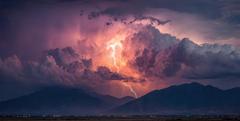
Montana storm season can bring a wide range of weather challenges, from heavy rain and hail to high winds, lightning, flash flooding, and sudden temperature shifts. While every storm is different, the damage they leave behind can be disruptive, costly, and stressful for homeowners and businesses. With the right preparation and a clear plan, you can reduce risks, respond quickly, and protect your property when severe weather moves through. As a leader in the restoration industry and a prominent damage restoration company in Bozeman and its neighboring cities, we understand the importance of being prepared before, during, and after Montana storm season.
Understanding Montana Storm Season and Its Risks
Before severe weather arrives, it is important to understand the kinds of conditions Montana property owners may face. Storm season can bring strong winds, hail, heavy rainfall, lightning, downed trees, power outages, roof damage, and water intrusion. In mountain and rural areas, storms may also develop quickly and affect travel, visibility, drainage, and access to emergency services. Knowing the potential risks can help you prepare your home, protect your family, and take action before minor damage becomes a larger restoration issue.
Recognizing Severe Weather Warning Signs
Being able to recognize the warning signs of severe weather is critical for protecting yourself and others, especially in Montana where conditions can change quickly. Darkening skies, sudden temperature drops, fast-moving clouds, increasing wind, and distant thunder may all indicate that a storm is strengthening. Hail can also be a major concern, as it may damage roofing, siding, gutters, windows, vehicles, and outdoor equipment.
Heavy rainfall is another warning sign to take seriously, particularly if your property has poor drainage, clogged gutters, a vulnerable foundation, or a history of basement or crawl space moisture. Even a short period of intense rain can overwhelm drainage systems and allow water to enter areas of the home. Lightning, falling branches, and wind-driven debris can also create hazards around your property. Paying attention to storm alerts and environmental changes gives you more time to move indoors, secure loose items, and avoid unnecessary risks.
Safe Areas in a House During Severe Weather
When strong winds, hail, lightning, or dangerous storm conditions are present, it is essential to identify the safest areas of your home before the weather becomes severe. The primary goal is to move away from windows, exterior doors, skylights, and rooms where glass or wind-driven debris could cause injury. Interior spaces on the lowest practical level of the home are generally safer during high-wind events and intense storms.
Interior rooms, hallways, closets, and bathrooms can provide better protection because they are typically surrounded by more walls and have fewer windows. If your home has a basement, lower-level shelter may be appropriate during severe wind or hail events, provided there is no active flooding risk. If water is entering the basement or crawl space, avoid standing water and move to a dry, safe location. Planning ahead helps each household member know where to go, what to bring, and how to stay informed until the storm passes.
Interior Rooms and Hallways
Interior rooms and hallways are often the best available shelter during strong storms. Choose a space away from windows and exterior walls, and keep basic emergency supplies nearby so you can respond quickly if conditions worsen.
Bathrooms, Closets, and Lower-Level Areas
Bathrooms, closets, and lower-level rooms can offer added protection during severe weather. Use thick blankets, cushions, or pillows if needed to protect against broken glass or debris, and avoid any area where water is actively entering the home.
Essential Safety Measures
Whether you are preparing for heavy rain, hail, strong winds, or lightning, having a plan can make all the difference. Here are key steps to consider:
Stay Informed
Keep a weather radio, local alert app, or reliable notification system available so you can monitor changing conditions. Severe weather can develop quickly, and timely alerts can help you decide when to move indoors, delay travel, or check vulnerable areas of your property.
Assemble an Emergency Kit
Prepare an emergency kit containing:
- Water and non-perishable food
- Flashlights and extra batteries
- A first-aid kit
- Important documents and emergency contacts
- Portable phone chargers
Review Your Storm Plan
Talk with your family or household about where to go during severe weather, how to communicate during a power outage, and what to do if roads are unsafe or a phone battery dies. A simple plan can reduce confusion and help everyone respond calmly when a storm is approaching.
Secure Exterior and Interior
Secure or bring inside any outdoor furniture, grills, tools, toys, planters, or decorative items that could be moved by wind. Check gutters and downspouts before storm season, and make sure water is directed away from the foundation. Inside the home, consider securing heavy furniture and storing important items in areas less vulnerable to water damage.
What to Do During a Severe Storm
When severe weather arrives, quick action can help protect your household and reduce the chance of injury. Follow these steps:
- Move indoors immediately. Do not wait until wind, hail, or lightning is directly overhead.
- Stay away from windows. Flying debris, hail, and broken glass can cause serious injuries.
- Avoid flooded areas. Do not enter standing water, especially near electrical outlets, appliances, or damaged wiring.
- Delay unnecessary travel. Roads can become dangerous due to poor visibility, washouts, fallen branches, or debris.
- Listen for emergency updates. Use a battery-powered radio or charged device for real-time information.
After the Storm: Steps for Safety and Recovery
Once the storm has passed, the priority is to ensure safety, assess property damage, and begin the recovery process carefully:
Evaluate Injuries and Hazards
After severe weather has moved through, your immediate priority should be to check on the safety and well-being of everyone in your home. Look for injuries, provide basic first aid when appropriate, and contact emergency services if anyone needs medical help. Even after the skies clear, hazards may still be present around your property.
Downed power lines, damaged trees, broken glass, exposed nails, unstable structures, and standing water can all create dangerous conditions. If you smell gas, hear hissing, see sparks, or notice electrical damage, leave the area and contact the proper utility or emergency provider. Avoid walking through water in basements, crawl spaces, or garages until you know it is safe. Moving cautiously can help prevent additional injuries during the cleanup process.
Documenting and Reporting Damage
Once immediate safety concerns have been addressed, begin documenting any visible damage to your property. Take clear photographs and videos of affected areas, including roof damage, siding damage, broken windows, fallen trees, water intrusion, damaged flooring, and affected belongings. This documentation may be helpful when communicating with your insurance provider.
You should also report major hazards to the appropriate authorities or utility companies. Power outages, downed lines, blocked roads, and significant structural concerns may require professional attention. If water has entered your home, acting quickly is important because moisture can spread into flooring, drywall, insulation, and hidden cavities. Prompt documentation and reporting can support a smoother recovery process after Montana storm season damage.
Professional Clean-Up and Restoration
In the aftermath of a severe storm, cleanup and restoration can be overwhelming. Depending on the extent of the damage, engaging services like storm & weather damage restoration in Bozeman can be invaluable.
Services Beyond Storm Preparedness
Buffalo Restoration takes pride in assisting homeowners beyond storm preparedness. Our comprehensive services include fire & smoke damage restoration, mold remediation, water damage restoration, and carpet cleaning in nearby areas such as Polaris, helping you recover when unexpected property damage occurs.
If you ever need assistance in mitigating the impact of Montana storm season, consider our wide range of restoration services. We are prepared to help clean, restore, and protect your home after water, wind, fire, mold, or storm-related damage. Our team is dedicated to delivering quality and trustworthy services tailored to your needs.
Seamless Transition to Peace of Mind
Being prepared does not mean expecting the worst. It means making sure you are ready for Montana storm season and the unpredictable weather it can bring. By following the strategies outlined in this guide, you are taking a proactive step toward safeguarding your loved ones, reducing property risks, and responding more confidently after severe weather.
To further safeguard your home against unpredictable disasters, contact Buffalo Restoration today for professional advice and support. Let us be your partner in resilience, offering peace of mind through our dedicated services. Reach out to learn how we can assist you with everything from storm & weather damage restoration to mold remediation, helping keep your home safe and secure.
Recent Posts
-
Open Houses in Bozeman: What Buyers and Sellers Should Know
August 9, 2026
-
Basement Floods With Sewage: Safety Steps for Homeowners
August 7, 2026
-
How to Spot Hail Damage on Vinyl Siding Early
August 3, 2026