
What Is Involved with Mold Remediation and How the Process Works
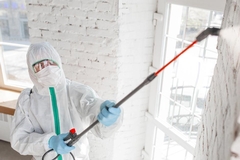
Mold growth in your home or business can be more than just unsightly; it can pose serious health risks and structural challenges. Understanding what is involved with mold remediation is crucial for anyone facing these issues. Confronting mold might mean reaching out to experienced restoration contractors in Bozeman, MT. Their expertise can ensure that this problem is handled efficiently and safely.
In this blog post, we'll delve into the intricate process of mold remediation, exploring each step in detail. From understanding the initial assessment to tackling post-remediation care, we aim to demystify the journey to a mold-free environment. Whether you're dealing with a minor mold outbreak or a significant infestation, knowing the roadmap can ease anxiety and prepare you for the next steps.
Understanding Mold and Its Hazards
Mold spores are ubiquitous in nature, thriving in damp and humid conditions. They are often invisible to the naked eye and can spread rapidly through the air. This makes early detection challenging yet vital. In Bozeman, the fluctuating climate can sometimes create ideal conditions for mold growth, particularly in basements, attics, and other moisture-prone areas.
The health implications of mold can range from mild allergic reactions to severe respiratory issues. Individuals with allergies, asthma, or weakened immune systems are particularly vulnerable. These health concerns are why many opt to engage professionals for mold remediation as a proactive approach to safeguarding their living conditions.
Initial Inspection and Assessment
Before any remediation efforts begin, a comprehensive inspection is imperative. This involves identifying the mold type and the extent of contamination to formulate an effective remediation plan. Experienced contractors use tools like moisture meters, infrared cameras, and hygrometers to pinpoint moisture sources that contribute to mold proliferation.
Once the problem areas are identified, these professionals assess the best way forward, not just to remove the visible mold but to rectify the underlying issues that allow it to thrive.
Containment and Ventilation
Contamination control is a pivotal step in remediation. Professionals establish physical barriers using polyethylene sheeting to prevent mold from dispersing into uncontaminated areas. Negative air pressure is often employed using air scrubbers to direct airflow outside the affected zone. This step is essential to confine the mold and protect other parts of the building.
Ventilation plays a dual role, as it not only aids in containment but also helps in dissipating moisture, rendering the environment less conducive to mold growth.
Mold Removal Techniques
The heart of remediation lies in the removal process. Depending on the severity and location, this can involve various techniques like HEPA vacuuming, soda blasting, and chemical cleaning. Porous materials like drywall, carpeting, and ceiling tiles may need to be removed and replaced, while non-porous surfaces can often be cleaned and salvaged.
Sometimes, the use of EPA-approved biocides is necessary to effectively sanitize surfaces and eradicate mold colonies. The choice of technique depends largely on the mold type, surface material, and extent of contamination.
Cleaning and Disinfecting
After mold removal, thorough cleaning is essential to eliminate residual spores and prevent recurrence. HEPA vacuums are commonly used to clean floors and walls, ensuring no spores remain. Disinfectants and detergents are applied to various surfaces to purify the affected areas.
Proper disposal of contaminated materials is critical in this step to avert any future growth. This is typically managed in compliance with local regulations to ensure health and environmental safety.
Post-Remediation Verification
For mold remediation to be truly effective, post-remediation verification is necessary. This step involves a follow-up inspection to confirm that mold levels have returned to normal and that the building is safe for occupation. Air quality testing may be conducted to ensure that remediation efforts have fully addressed the problem.
Verification isn't merely about identifying successful removal but also ensuring that measures are in place to prevent future mold growth. This ensures a long-term solution rather than a temporary fix.
Ongoing Prevention Strategies
Managing humidity levels is an effective prevention strategy post-remediation. Keeping indoor humidity at 30-50% and using dehumidifiers in damp areas can curb mold growth. Adequate ventilation in kitchens, bathrooms, and laundry areas is equally important for moisture control.
Repairing leaks and ensuring proper drainage away from foundations can further protect against water intrusion and mold recurrence. Regular maintenance and vigilance can prevent future infestations, ensuring the health and safety of your space.
Choosing Professional Mold Remediation
Given the complexity of mold remediation, enlisting professional help is often the most prudent decision. Companies like Buffalo Restoration in Bozeman, MT, offer a comprehensive suite of services to deal with mold and other restoration needs. Whether it's fire & smoke damage restoration, mold remediation, or water damage restoration in Bozeman and its nearby areas, their trained professionals deliver informed solutions that are efficient and effective.
Why Restoration Expertise Matters
Employing experts with a detailed understanding of what is involved with mold remediation could mean the difference between a recurring issue and a lasting solution. Buffalo Restoration’s specialists are equipped with state-of-the-art tools and techniques for precise and thorough cleanup. Their commitment to excellence and client satisfaction ensures a safer living or working environment.
If you're residing in or around Big Sky and require expert assistance, Buffalo Restoration provides added services, including mold remediation and reconstruction & remodeling to support your specific needs in different cities.
Trust Buffalo Restoration for Mold Solutions
Mold issues shouldn't be faced alone. With professional guidance from experienced restoration contractors in Bozeman, MT, effective and lasting mold remediation is within reach. Buffalo Restoration stands ready to deliver a healthier, mold-free living or working space. Whether it's mold remediation in Belgrade or water damage restoration anywhere else, connect with Buffalo Restoration for a confident, expert cleanup.
Recent Posts
-
Question: Can You Walk on Wet Carpet After Cleaning?
September 23, 2026
-
[Home Care] How Often Should Carpets Be Cleaned for a Healthier Home?
September 21, 2026
-
Heavy Rain Ahead? How to Keep Water Out of Basement Areas
September 17, 2026